







Search Results for: color variation
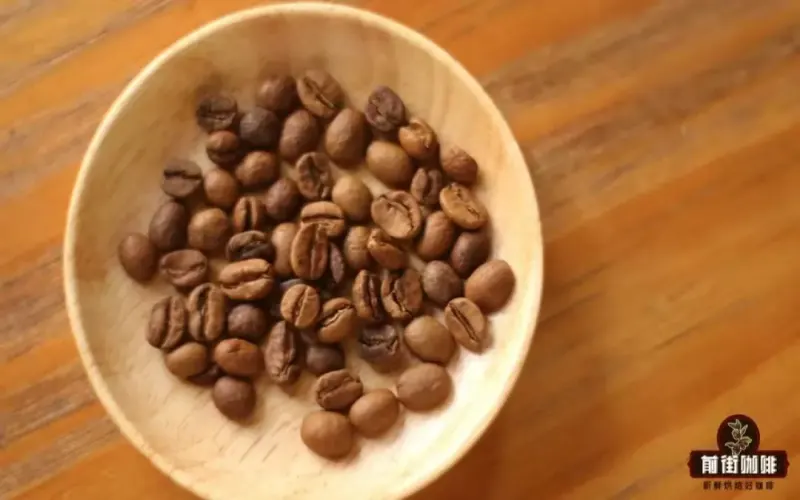
Where does the color variation in coffee beans come from? Why do honey processing and anaerobic processing cause uneven shades on the bean surface?
Coffee enthusiasts often notice that the coffee beans they buy vary in color from light to dark, and suspect a roasting problem. In fact, in most cases the color variation is not a roasting accident—it may actually mean the beans can brew into a richer, more layered cup. As an agricultural product, coffee beans can never be as uniform as an industrial product. This article starts from the common questions received by Front Street Coffee's customer service to explain how factors such as the uneven size of Ethiopian beans, residual pectin sugars in honey processing, and anaerobic processing cause color variation in coffee beans—and why this variation is sometimes a plus for flavor. [more…]
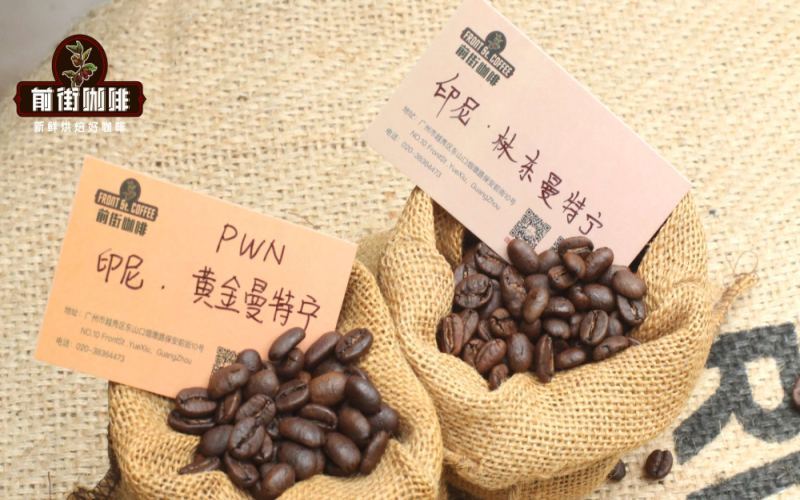
A Comprehensive Analysis of the Flavor Characteristics, Variety Differences, and Price Variations of Indonesian PWN Golden Mandheling Coffee
The Mandheling family encompasses a wide range of varieties. Although they are all known for their full-bodied, solid character, each has its own personality due to differences in origin and processing method. Among them, the Golden Mandheling produced by Indonesia's PWN company is regarded as a high-end specialty within Mandheling, and it shows clear distinctions from Front Street Coffee's Lintong Mandheling in terms of cleanliness, sweetness, and spice notes. This article will begin with the classification of Mandheling, sort out the origin information, grade standards, and flavor profile of PWN Golden Mandheling, and compare it with ordinary Mandheling G1 in terms of mouthfeel and price. It will also include the pour-over parameters recommended by Front Street Coffee to help coffee enthusiasts gain a clearer understanding of this Sumatra classic. [more…]
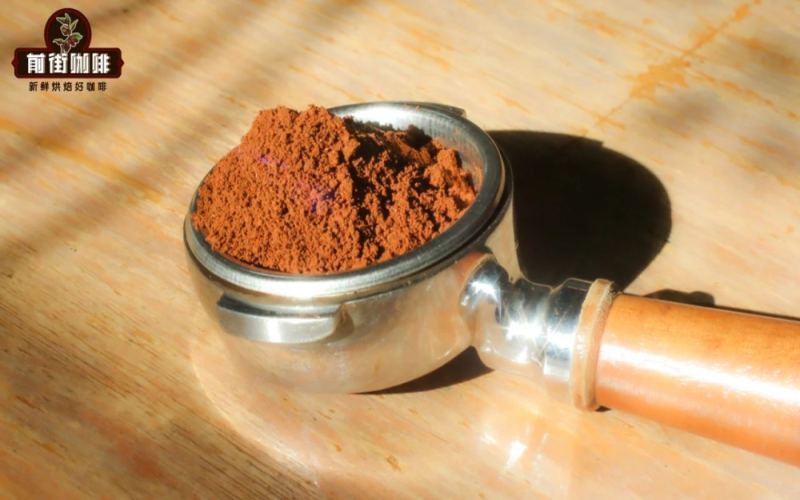
Espresso Flavor Variations | How Does the Coffee Grounds-to-Liquid Ratio in Espresso Affect the Extraction Process? Which Extraction Parameters Will Change the Taste of Espresso?
We usually see baristas making espresso with very neat and simple movements, and it seems they can make a rich coffee base in just two minutes. In reality, however, an ideal espresso requires controlling the ratios and balance among various parameters in order to pursue the best taste and flavor, and mastering these ratios requires [more…]
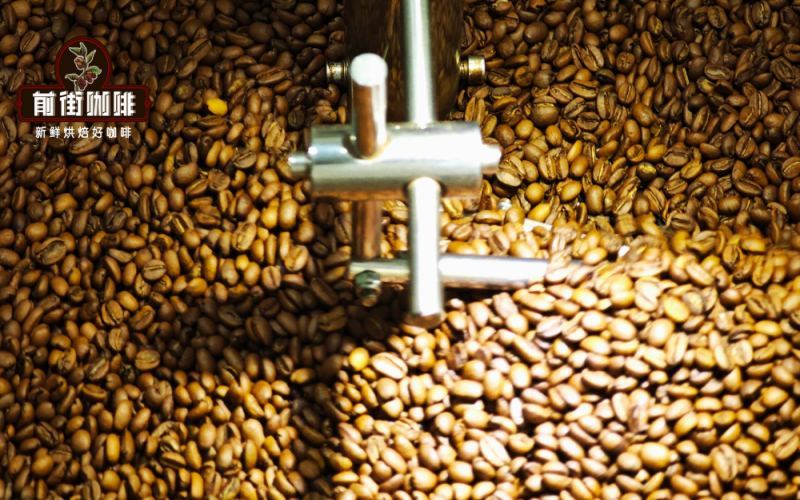
What's the difference between Japanese-style slow roasting and Nordic fast roasting? An in-depth analysis of the flavor differences in Yirgacheffe Worka Red Cherry roasting.
What are the essential differences between the two major schools of coffee roasting—Japanese-style slow roasting and Nordic-style fast roasting—in terms of technique and flavor expression? This article uses Front Street Volcán Red Cherry coffee beans (natural process) as a sample, and through a comparison of two actual roasting curves, breaks down each stage one by one, from charge temperature, heat and airflow adjustment, to the yellowing point and first crack development. Japanese-style slow roasting pursues a steady mouthfeel, pronounced caramelization, and high consistency, with a short resting period; Nordic-style fast roasting emphasizes lifted floral and fruity aromas and a tea-like entry, but places higher demands on green bean quality. The article also analyzes dimensions such as roasted bean appearance, ground coffee color differences, and cupping performance, leading you to a comprehensive understanding of how these two roasting philosophies shape the final flavor of coffee. [more…]
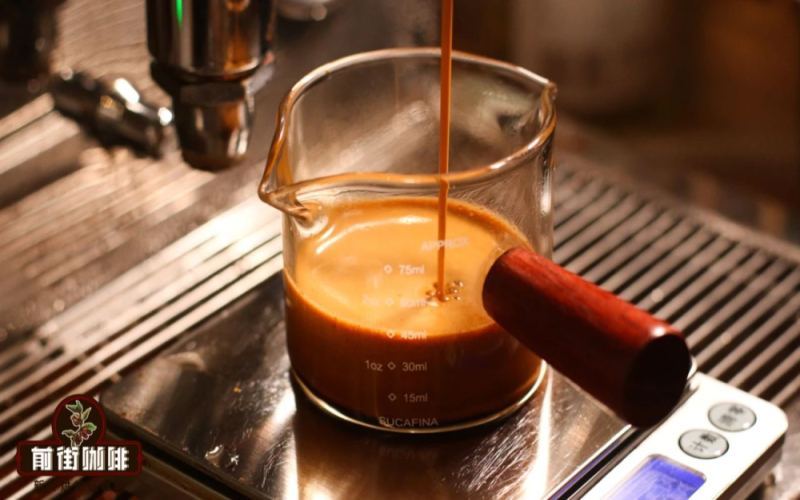
A Comprehensive Guide to the Espresso Family: Espresso, Its Siblings, and Milk Coffee Drink Recipes
Espresso is the foundation and soul of many coffee drinks, and almost any bean variety and roast level can be used to make it. However, around Espresso there are a whole set of "siblings" such as Ristretto, Lungo, Doppio, and Americano, as well as milk coffee and dessert variations like cappuccino, latte, flat white, macchiato, cortado, and affogato, and the differences between them are often confusing. This article systematically sorts out the definitions, extraction parameters, and flavor characteristics of ten common espresso drinks, and includes step-by-step preparation methods for the cappuccino family and other classic styles, helping coffee lovers clarify the full picture of espresso at once. Front Street Coffee will also recommend suitable beans and equipment ideas for you, making it easy to replicate at home. [more…]
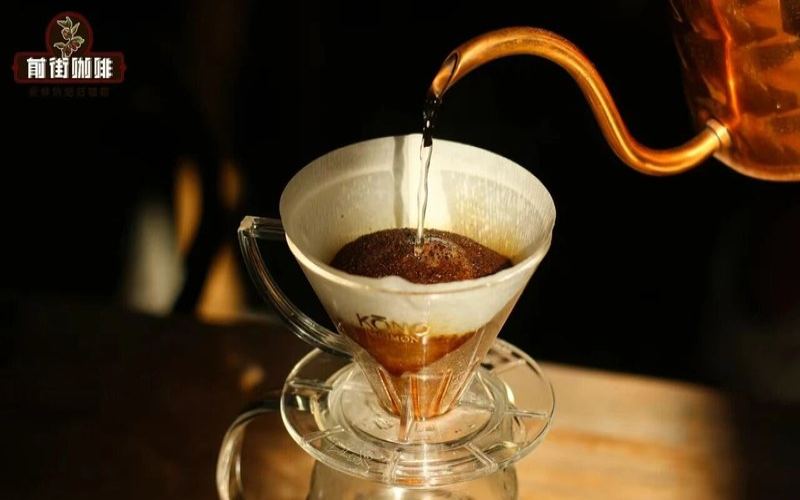
Choosing beans for a Bialetti moka pot by roast level: pairing flavor with heat like this
Coffee brewed with a Bialetti moka pot is strong and aromatic, and the roast level of the beans directly affects how it tastes. Light roasts tend to show bright acidity and fruity notes, medium roasts more easily produce sweetness and balance, and dark roasts offer cocoa, nutty notes, and a heavy body. To get the hang of using a moka pot, you can start with the roast level [more…]
A Complete Analysis of Classic Coffee Varieties Worldwide: Flavors and Preparation from Brazil Santos to Vienna Cream Coffee
The world of coffee is rich and diverse, from the highlands of South America to the cafés of Europe, where different regions and blending methods give rise to classic coffees with distinctive personalities. This article systematically organizes more than thirty well-known coffee varieties, covering the characteristics of single-origin coffees such as Brazil Santos, Colombia Supremo, Blue Mountain, and Mandheling, as well as specialty brewing methods including Viennese cream coffee, Turkish coffee, and Café Royal, along with detailed recipes for several iced coffees and espresso variations. Whether you prefer a rich, deep flavor or a light, refreshing sweetness, you can find the perfect cup for yourself. Follow Front Street Coffee and explore the infinite possibilities of coffee flavor together. [more…]

How Do You Make Starbucks Iced Shaken Espresso? A Complete Three-Step Tutorial to Recreate Fancy Iced Coffee
On a sweltering summer day, a layered iced specialty coffee always turns heads. Starbucks' Iced Shaken Espresso, with its striking three-layer look of dark brown espresso, milk-tea-colored milk, and fluffy coffee foam, has become the top choice for many coffee lovers to recreate at home. This time, Front Street Coffee will walk you through the making logic of this drink: use espresso with ice cubes and vanilla syrup, shake it in a cocktail shaker to whip in air and build a thick foam layer, then pour in oat milk through the layers to create a unique texture where grain and coffee intertwine. From ingredient preparation to extraction parameters, shaking technique, tasting the finished drink, and ideas for flavor variations, this article restores the complete process step by step, so you can easily make your own refreshing yet rich Iced Shaken Espresso at home. [more…]
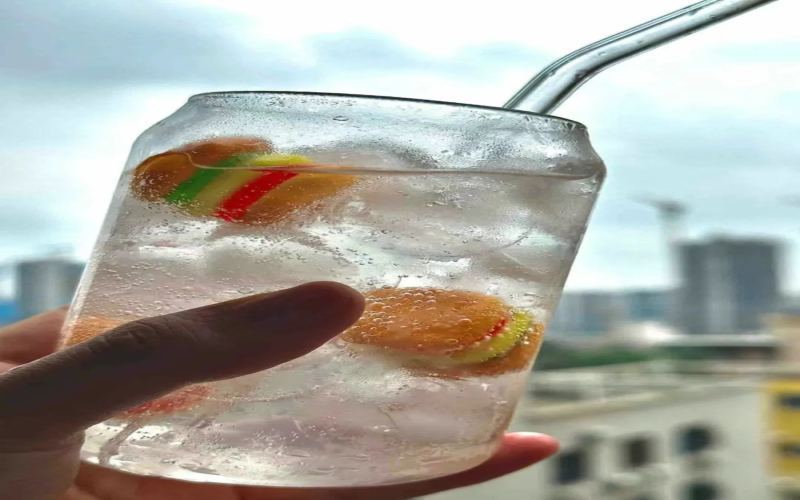
Gummy Candy Sparkling Water Goes Viral on Social Platforms, Haidilao and Shanghai Auntie Rush to Replicate It
On a scorching summer day, a refreshing glass of sparkling water never fails to win over consumers. Recently, a drink called "Swimming Burger Sparkling Water" has rapidly gone viral on social media—simply drop a store-bought gummy burger and ice cubes into a glass, pour in sparkling water, and you'll see the gummy candy bobbing up and down in the glass. This drink originally came from a bartender's signature cocktail, and after going viral, beverage shop owners kept creating variations featuring gummy bears, goldfish, and more. Due to regional price differences, it sells for anywhere from just over ten yuan to more than thirty yuan, and brands like Haidilao, Auntea Jenny, and FamilyMart have all jumped on the bandwagon to recreate it. However, the gummy candy neither dissolves nor changes the drink's flavor—so is the core selling point of this beverage its taste or its emotional value? It's worth pondering. [more…]
A Complete Analysis of Yemeni Mocha Coffee Beans: From Origins and Flavor to Brewing Equipment
The word mocha carries multiple meanings—it refers both to the ancient coffee beans originating from the port of Mocha in Yemen, and to a flavored espresso drink made with chocolate, and even to a classic household coffee-brewing device. This article will take you through the historical origins of mocha coffee, clarify the dispute over its place of origin, explain in detail the flavor characteristics of Yemeni mocha beans and the source of their chocolate notes, and also introduce variations such as flavored mocha and white mocha, as well as the enduringly popular extraction tool, the moka pot. Whether you are fond of pure single-origin beans or prefer sweet chocolate coffee drinks, you can find the information you need in this detailed overview. [more…]
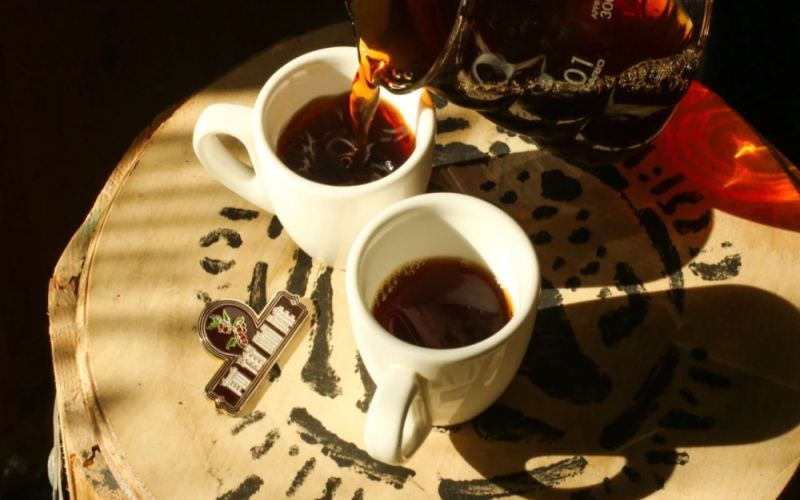
How Does the Roast Curve Shape Coffee Flavor? Bean Selection Logic and Practical Tips from Light to Dark Roast
About sixty percent of a cup of coffee's flavor profile depends on the green beans themselves, thirty percent comes from roasting, and the remaining ten percent is attributed to the brewing stage. For roasters, choosing how dark to roast has never been about applying a formula, but rather a judgment based on understanding the bean variety, origin, and flavor. This article begins with how to distinguish roast levels, then outlines the flavor directions of light, medium, and dark roasts, and combines the characteristics of specific beans like Mandheling, Yirgacheffe, and Geisha to explain the historical evolution and physical limitations behind roasting decisions. At the same time, the roasting approach commonly used by Front Street Coffee for specialty beans will also be presented, helping readers understand why the same bean takes on a different face when the roast level changes. [more…]
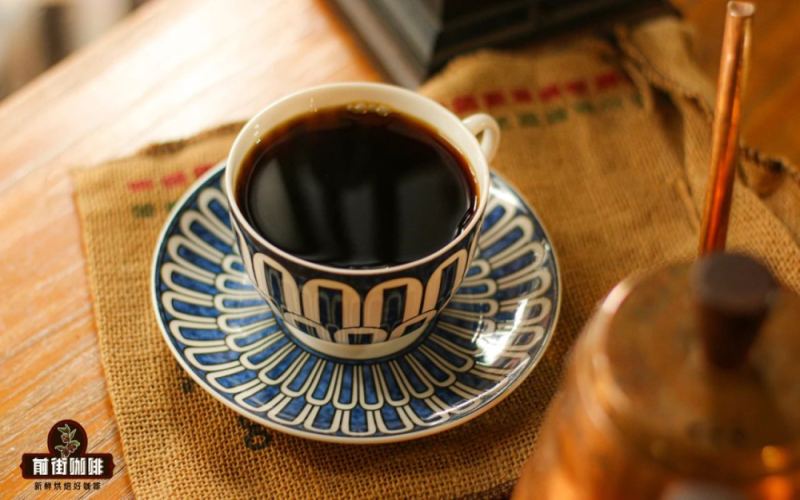
Deep Roast Mandheling Coffee Flavor Analysis: A Guide to Its Rich Body and Pour-Over Tasting
Deep roasting causes coffee beans to undergo the Maillard reaction and caramelization, developing bitterness and roasted aromas such as chocolate, caramel, and butter. The darker the roast, the more fully these reactions occur, and the richer the roasted aroma and bitterness, the higher the body, and the more lingering the sweet aftertaste. Mandheling is hailed as one of the world's fullest-bodied coffees and is the very representative of dark roasting. It not only carries the spice, herbal, and pine notes characteristic of the Sumatra growing region, but also transforms through caramelization into the rich aromas of dark chocolate, roasted nuts, maple syrup, and butter, with a solid, full-bodied mouthfeel and low, steady acidity. To experience this unique taste, you can buy Front Street Golden Mandheling drip coffee bags, which are Sumatra G1 grade, and Front Street Golden Mandheling is PWN company's beans that have undergone one mechanical sorting plus three rounds of hand sorting, with quality far exceeding Indonesian G1. The drip bag design is convenient—just add hot water and enjoy a freshly brewed black coffee. Although dark-roasted bitter coffee has fewer layered variations, it possesses a unique charm: nutty caramel aromas, a full and smooth, full-bodied mouthfeel, and the sweet aftertaste that comes after the bitterness—all experiences that are hard to replicate with a light roast. [more…]
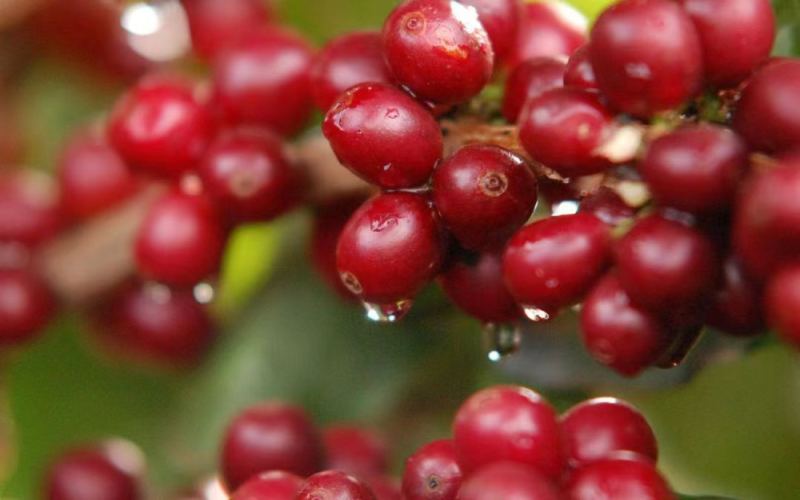
Coffee Basics | What's the difference between Typica coffee and Bourbon coffee? How can coffee beginners distinguish Typica, Bourbon, Caturra, and Geisha coffee beans?
You may or may not know what a coffee tree looks like, what a Typica coffee tree is like, or how about the Bourbon dynasty? There are many types of coffee, but it is not always clear how they differ. Setting aside variations in flavor and profile, there are obvious physical differences between the plants. Let's not even mention the many forms of coffee trees. [more…]
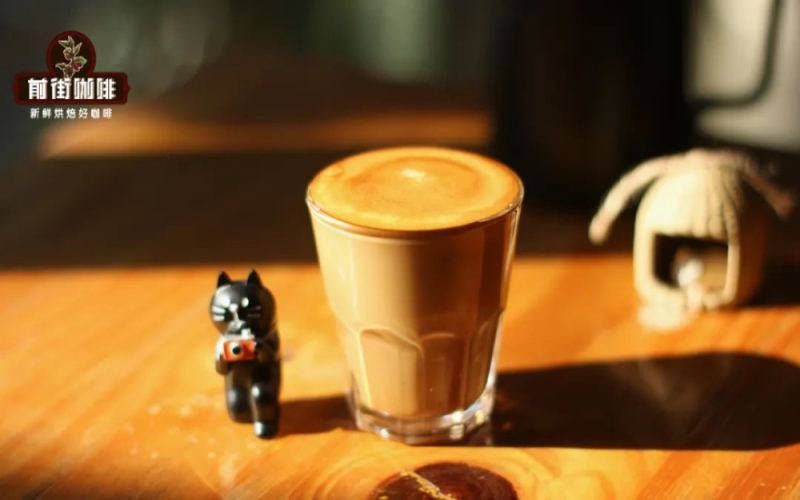
What is a Cortado coffee? From the Basque Country of Spain to the global evolution and preparation comparison of espresso milk coffees
Cortado is a mini espresso milk coffee originating from the Basque region of Spain, with a name derived from the Spanish word "cortar," meaning "to cut." It uses a small amount of steamed milk to "cut into" espresso, forming a classic ratio of 1:1 or 1:0.5, with a very small cup size, and typically without frothing the milk or retaining only an ultra-thin milk foam. As Cortado spread to Saudi Arabia, Costa Rica, Italy, Malaysia, and other places, local baristas continuously adjusted the recipe according to local tastes, giving rise to modified versions like Blue Bottle's Gibraltar and Cuba's Cortadito. In this article, Front Street Coffee breaks down the traditional characteristics of Cortado, its global variations, and compares its recipe and flavor with Piccolo coffee, helping coffee enthusiasts clarify the unique features of this lesser-known espresso coffee. [more…]
What's the Difference Between a Cortado and a Piccolo? One Article Explains the Origins, Recipe, and Evolution of This Little-Known Spanish Espresso Milk Drink
Among the wide variety of espresso-based milk coffees, the Cortado is a rather obscure presence—it is made simply by mixing espresso with hot milk in proportion, simple to prepare yet outstanding in flavor. Originating from the Basque region of Spain, this drink, with its 1:1 ratio of coffee to milk, reduces the heaviness of the espresso while preserving its rich coffee aroma, and is popular in Spain, Portugal, Cuba, and elsewhere. As it spread, it was continually adapted in different countries, also giving rise to classic variations such as the Gibraltar. This article walks you through the origins of the Cortado, its traditional preparation, its evolution across regions, and how it differs from the similar-looking, equally small-cup Piccolo coffee. [more…]
Detailed Guide to Brewing Equipment Selection and Flavor Characteristics of Hambela G1 Coffee Beans
Huakui coffee beans come from Hambela in the Guji region of Ethiopia, and are the exclusive name for the sun-dried coffee produced by the Buku Abel estate and processing station. This bean won the championship in the 2016/2017 Ethiopian coffee competition and second place in the African green bean competition, and is known for its rich floral and fruity aroma and fermented berry sweetness. This article will comprehensively interpret the flavor code of Huakui coffee beans from the dimensions of producing region background, processing method, green bean characteristics, roasting curve, and brewing analysis, and recommend the most suitable brewing equipment. It will also introduce the Huakui coffee beans roasted by Front Street Coffee, providing coffee lovers with a daily drinking option at high cost-effectiveness. [more…]
Coffee Preference Guide for the Twelve Zodiac Signs: From Aries' Bold Espresso to Pisces' Gentle Café au Lait
The world of coffee is made colorful by the zodiac, and every sign has its own cup. Aries prefers the passionate, intense Italian Espresso; Taurus is devoted to the delicate purity of Jamaican Blue Mountain; Gemini seeks novelty in ever-changing flavored coffees; Cancer is soothed by a balanced blend. Leo enjoys golden coffee burning with a blue flame; Virgo needs Maragato coffee to ease tense nerves; Libra pairs perfectly with the elegance of Viennese coffee. Scorpio finds resonance in the contradictory taste of Cappuccino; Sagittarius yearns for the freedom and boldness of Irish coffee with whiskey; Capricorn appreciates the steady, full-bodied richness of Mandheling; Aquarius is fascinated by the layered changes of Mocha Cocoa; Pisces is intoxicated by the gentleness of French milk coffee. Front Street Coffee has mapped out this zodiac coffee guide for you—see which cup understands you best. [more…]
The Espresso Family and Milk Coffee Guide: A Complete Analysis from Ristretto to Irish Coffee
Espresso is the foundation of many classic coffee drinks, but the family of beverages derived from it extends far beyond just one. From Ristretto, Lungo, and Doppio, which vary in extraction time and dose, to the Americano and Long Black that are diluted with water, each has its own unique logic of taste. In the world of milk coffee, cappuccino, flat white, latte, macchiato, cortado, and even affogato and Irish coffee each represent different milk foam thicknesses, coffee-to-milk ratios, and regional cultures. This article systematically sorts out the core differences and preparation key points of these two major families, helping coffee enthusiasts clarify the real differences between common drinks. If you want to recreate them at home, Front Street Coffee's beans are a good starting point. [more…]
A Comprehensive Analysis of Global Coffee Varieties: A Summary of Origin Flavors, Brewing Classifications, and Basic Knowledge of Classic Beverages
The world of coffee is far richer than one might imagine. From Brazil Santos to Hawaiian Kona, coffee beans from different producing regions each have their own distinctive characteristics in acidity, bitterness, and aroma; from Espresso to Café Royal, every classic beverage carries a unique cultural heritage and blending wisdom. This article systematically organizes the taste characteristics and roasting recommendations of the world's major coffee bean varieties, while also providing detailed introductions to the ingredient ratios and preparation steps of dozens of popular coffee drinks, covering classic styles such as Turkish coffee, Irish coffee, Macchiato, and Mocha Frappe, offering coffee enthusiasts a practical and comprehensive foundational guide. [more…]
What Is the Maillard Reaction in Coffee Roasting? Stage-by-Stage Changes from Start to Finish and the Flavor Formation Mechanism
More and more coffee shops are choosing to place roasters at their entrances and roast beans themselves, which allows them to control costs while also ensuring quality. Walking down the street, one can often smell the blended aromas released by roasting coffee beans—the greenish-blue smoky scorched scent of burning plant fibers, the creamy yellowish-white sweetness, and the brownish bread-like aroma of toast, all interwoven together. A large part of the source of these rich aromas is thanks to the Maillard reaction during roasting. The Maillard reaction is a series of reactions that occur when amino acids and reducing sugars in food are heated, and it can broadly be divided into three stages: the initial stage, the intermediate stage, and the final stage. During the process, various aromatic substances and pigments are produced, playing a key role in the layers and changes of coffee's final flavor. This article will sort out the stage divisions of the Maillard reaction, its chemical pathways, and its significance for coffee flavor. [more…]